Global Economic Signals Explained
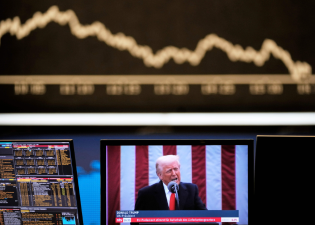
From late July to mid-August, major economies around the world released their first-half economic data, revealing that the global economy is struggling amid multiple challenges. On the one hand, the US tariff war has disrupted the global trade order, weakened global economic growth momentum, and become the biggest "risk source" dragging down the world economy. On the other hand, strengthening cooperation to address these challenges has become a consensus, with many economies focusing on optimizing their economic structures, promoting trade diversification, and strengthening regional cooperation to help the global economy develop greater resilience. Global economic growth is projected to be 3.0% and 3.1% in 2025 and 2026, respectively, an upward revision from the April 2025 World Economic Outlook forecast. This reflects the front-loading effect of imports and exports before tariffs are implemented, the reduction in effective tariff rates, improved financial conditions, and fiscal expansion in some major economies. Global inflation is expected to decline, but US inflation is expected to remain above target levels. Downside risks from potential higher tariffs, rising uncertainty, and geopolitical tensions persist. Restoring confidence and improving predictability and sustainability remain key policy priorities.

Interpreting Key Signals of the Global Economy: Weak Recovery, Strong Divergence, and Policy Game
Growth Trend: Slow but Resilient Growth with Structural Slowdown
Significant Regional Differentiation:
- Developed Economies: US growth is projected at 2.0% in 2025, declining to 1.7% in 2026; Eurozone growth is projected at 1.3% in 2025 and 1.2% in 2026; Japan faces a struggle between declining high inflation and expectations of interest rate hikes.
- Emerging Economies: Some Asian economies remain the main drivers of growth; India's growth is projected at 6.2% in 2025, China's at 4.6%; Brazil's at 2.0%, and Middle Eastern countries such as Saudi Arabia benefiting from regional cooperation.
- Policy Theme: Resumption of Easing Cycle and Structural Reforms in Parallel
Major global economies are entering a new round of easing, but policy paths are diverging:
US Policy Mix:
China's Policy Mix:
Risk Warning: Three Major Uncertainties
- Trade Policy Risk: Uncertainty surrounding US tariff policy is at a historical high, potentially triggering a surge in global trade growth to 1.6% (UN forecast).
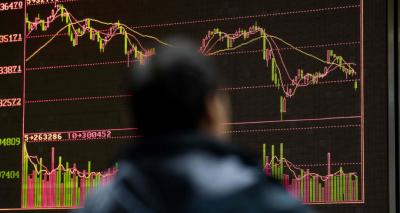
- Financial Market Risk: Overvalued assets based on optimistic AI expectations may suddenly correct, leading to a continued rise in long-term bond yields.
- Geopolitical Risk: Spillover effects from the Russia-Ukraine conflict and the Israeli-Palestinian conflict, putting pressure on the restructuring of global value chains.
Conclusion: Navigating the Gaps in Order
Economic Trends at a Glance
Related Articles